
Should You Focus on Brushwork? It Depends on Your Skill Level
Brushwork matters, but only after you've built a solid grasp of the fundamentals: drawing, design, value, and color. These core skills should be your primary focus before you shift attention to what I call "the calligraphy of paint."
Why Fundamentals Come First
I often have students, including those in my TAAO classes, ask about brushwork when what would actually help them more is strengthening their foundational principles. Oil paint's physical properties let you build up and manipulate the surface, but that manipulation only pays off once your fundamentals are strong. Once you've reached that level, it's time to start thinking about brushwork more consciously.
How Brushwork Functions Differently Across Genres
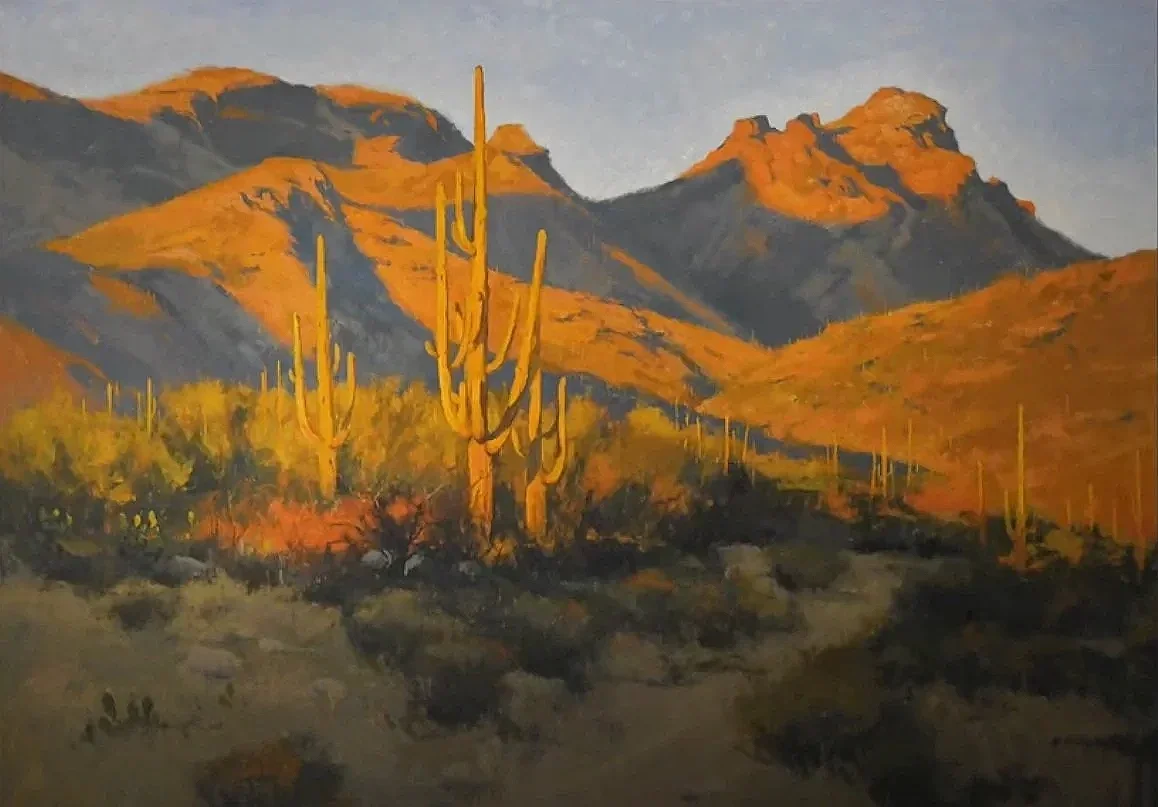
Landscape painting: Distant areas are typically quieter, while the foreground carries more visual activity and textural interest.
Figurative and still life work: Distance plays less of a role, but paint quality and brushwork remain just as critical to the piece.
What Brushwork Actually Does
Brushwork—the calligraphy of paint—varies in thickness and thinness. These variations are key to communicating your intended message effectively.
The Short Answer
Should you focus on brushwork? Yes and no—it depends entirely on where you are in your painting journey. Think of this as a virtual red or green light: don't worry about brushwork until you've mastered the fundamentals first.
Everything shared here comes from my own personal struggles and successes, built up over time.
Want more help? I created a free video lesson on How to Paint Better Rocks. You’ll find the link below:
You can also join me in my procreate membership or video series’ below:
Membership