
Using Texture in Oil Painting: When and How to Explore It
Texture is the physical, three-dimensional quality that oil paint can create directly on the canvas — a quality that watercolor and pastel don't offer in the same way. It's one of the unique strengths of working in oils.
Is Texture Important in Oil Painting?
Texture is a tool, not a requirement. Whether you should focus on it depends on where you are in your painting journey:
If you're new to oil painting: Focus on values and color first, not texture. These fundamentals are the foundation everything else builds on.
If you're a seasoned painter: Start exploring texture if you haven't already. Experiment with it and see whether it's something you want to develop as part of your own style.
"Texture is one of the tools in our belts to be explored. To me, texture is a beautiful thing to have in a painting."
Using texture isn't right or wrong — it's simply another tool in your arsenal for conveying your message.
How to Add Texture to Oil Paintings
There are mediums available that let you thicken oil paint significantly. These generally dry within a fairly short amount of time, which allows you to build up layers of texture more quickly.
Ways to start exploring texture:
Use a palette knife — a great tool for building physical texture on the canvas.
Layer thickened paint with a texture medium once your paint layers have had time to dry.
Talk to seasoned painters about their experience with texture to learn different approaches.
Experiment freely to see whether texture resonates with your own style.
Bonus: Read how I layer oil paint.
When Should You Start Using Texture?
Texture should be introduced at a certain point in your painting journey — not at the very beginning.
Early on: You're learning to walk. Drawing and value should be your focus.
After a few years of consistent painting: Once you feel you've mastered the basics, texture is worth exploring.
Color and value excite the eye on their own — texture is simply another way to create that same excitement.
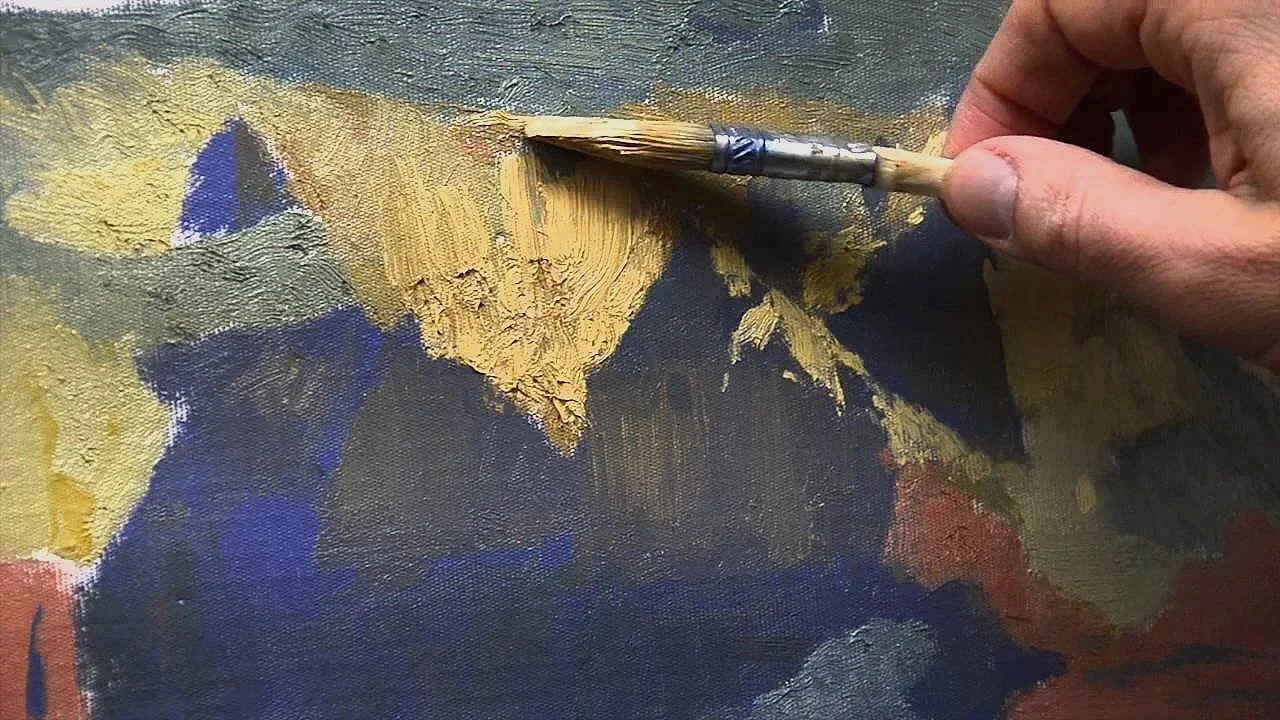
The "Three Distances" Rule for Texture
Ken Auster once said a painting should look different from a foot away, five feet away, and ten feet away. As a viewer moves closer or farther from the canvas, their experience of the painting should change. Texture plays a role in creating that shifting experience.
Common Mistakes to Avoid With Texture
Texture is exciting to use, but it needs to be applied carefully:
Beautiful paintings can exist without texture, and poorly executed paintings can exist with texture — texture alone doesn't make a painting successful.
Avoid overusing texture across the whole canvas. If you add texture to both the sky and the foreground, the two areas compete for attention.
Keep the sky softer and more subtle. Reserve stronger texture for areas meant to draw the eye, so the painting doesn't become too busy.
Frequently Asked Questions
Does texture matter in oil painting? Texture is one of several tools available in oil painting, not a requirement. It can add a beautiful, physical quality to a painting, but strong values and color are more fundamental.
Should beginners use texture in their oil paintings? No — beginners should focus on mastering drawing, values, and color first. Texture is best explored after you've built a solid foundation, typically after a few years of consistent practice.
What tool is best for creating texture in oil painting? A palette knife is one of the most common and effective tools for building physical texture directly on the canvas.
Can too much texture ruin a painting? Yes. Applying heavy texture across the entire canvas — for example, in both the sky and the foreground — can make different areas compete for attention and make the painting feel too busy. It's often best to keep some areas, like the sky, softer and more subtle.
Why does a painting look different up close versus far away? Textural brushwork and paint application can create a different visual experience depending on viewing distance. Painter Ken Auster noted that a painting should offer a distinct experience from a foot away, five feet away, and ten feet away — and texture is one of the tools that makes that shift possible.