A reference photograph can contain several possible paintings. I look for those possibilities by cropping the image and testing changes to the larger shapes before deciding what I want to paint.
Try a new emphasis within the same photo
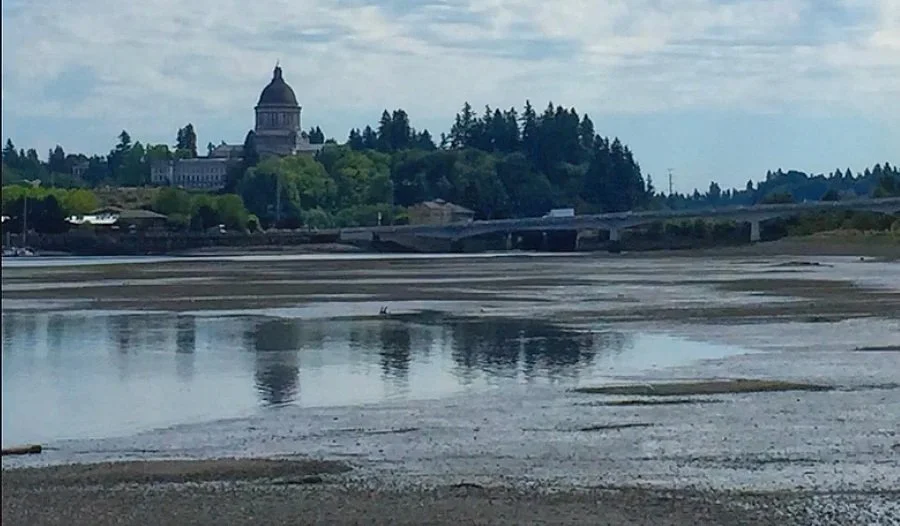
The first photograph initially interested me because of its sky. Looking again, I found a different possibility in the vegetation, building, and water below. Cropping closer changes the emphasis and creates a new design from the same source. The water also gives me a way to lead the eye toward the building.
Explore a stronger lead-in
In another view of the same general subject, I am attracted to the water and reflection. I test bringing more water into the muddy foreground, creating a more connected path inward. I also explore changes to the vegetation’s height and rhythm. These quick digital edits let me compare possibilities without committing them to a painting.
Treat the image as a starting point
I try to compose thoughtfully when taking photographs, but I still see them as reference and a reminder of the place. They do not dictate how I will apply paint. As you watch, compare the original sky-centered view with the closer crop, then follow the foreground adjustments. The useful question is whether a change strengthens what you want the picture to say, rather than whether it reproduces everything the camera recorded.
For a related lesson, see deciding how much sky to include.