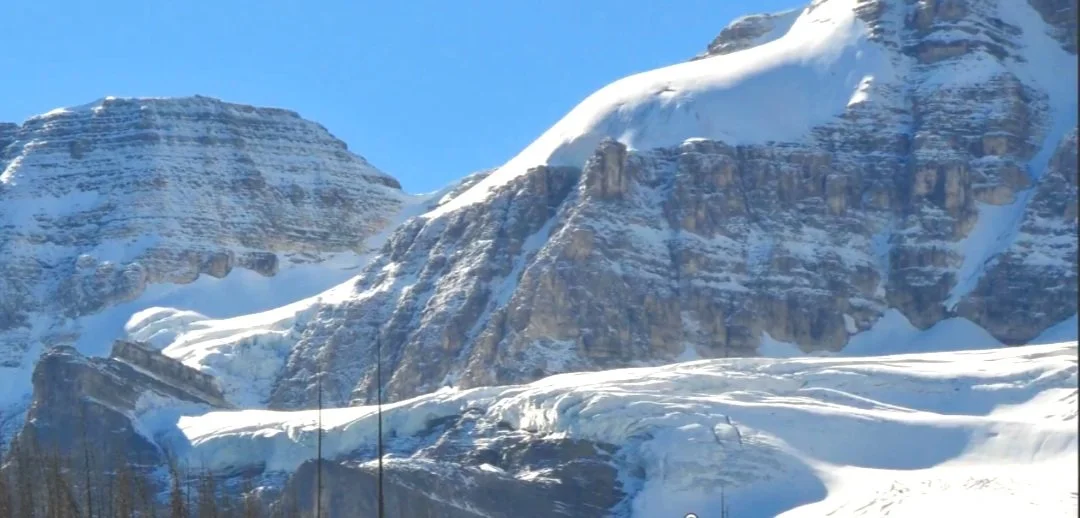
A painting can feel flat when the value changes within its forms have been lost. In this example, I use a snowy mountain photograph to show how two areas that seem alike at first can differ enough to describe a change in form.
Look for the small differences
I zoom into the snow and compare nearby passages. From a distance, it is easy to assume that they belong to one undivided value. But when I move a small sample from one area into another, the difference becomes much easier to see. Those shifts help the surface feel three-dimensional.
Compare values directly
The digital cut-and-move demonstration is simply a way to place two values side by side. I repeat it in another part of the snow so you can see how the same sample changes against a different surrounding area. I often encourage students to look for several values within a shape, but the useful question here is what this particular form actually needs.
Practice looking from life
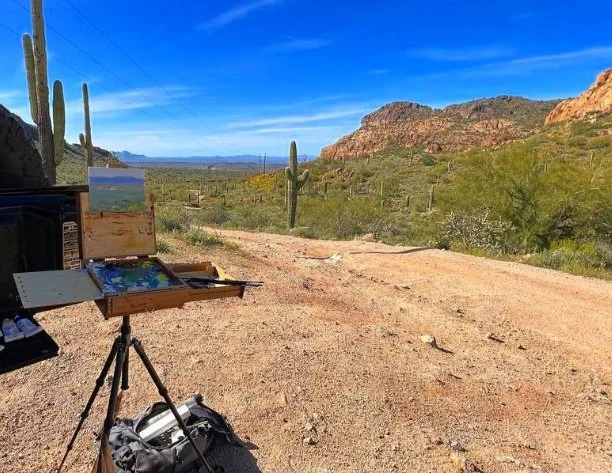
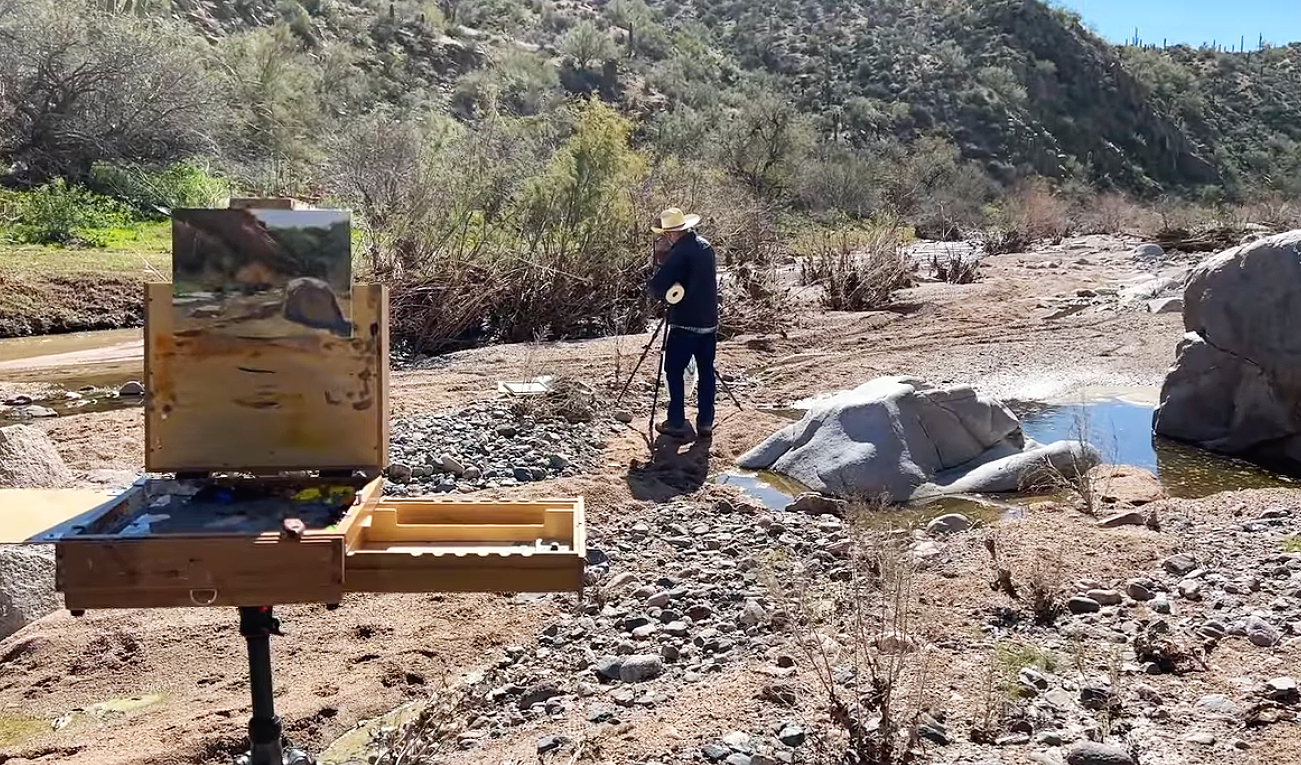
Photographs are useful, but I encourage direct observation because that is where I learn most about these subtle relationships. When a passage looks like one value, pause and compare its different planes. There may also be color variation, but the lesson in this video is to notice the value changes before smoothing them away in the painting.
For a related lesson, see putting value before color.